
Step-by-Step Guide to Obtaining a Vietnam Visa from Cambodia
Latest update: Jun 24th, 2026
Table of Contents
If you're looking to explore the vibrant culture and stunning landscapes of Vietnam, knowing how to get a Vietnam visa from Cambodia is crucial. With its proximity to Cambodia, obtaining a visa can be a straightforward task if you follow the right steps. This guide will provide you with an in-depth understanding of the processes involved, ensuring that your journey to Vietnam is as smooth as possible.
Understanding Vietnam Visa Types
Before you embark on your journey to get a Vietnam visa from Cambodia, it's essential to familiarize yourself with the different types of visas available. Each visa type comes with its specific conditions and requirements, and understanding them will help you apply correctly.
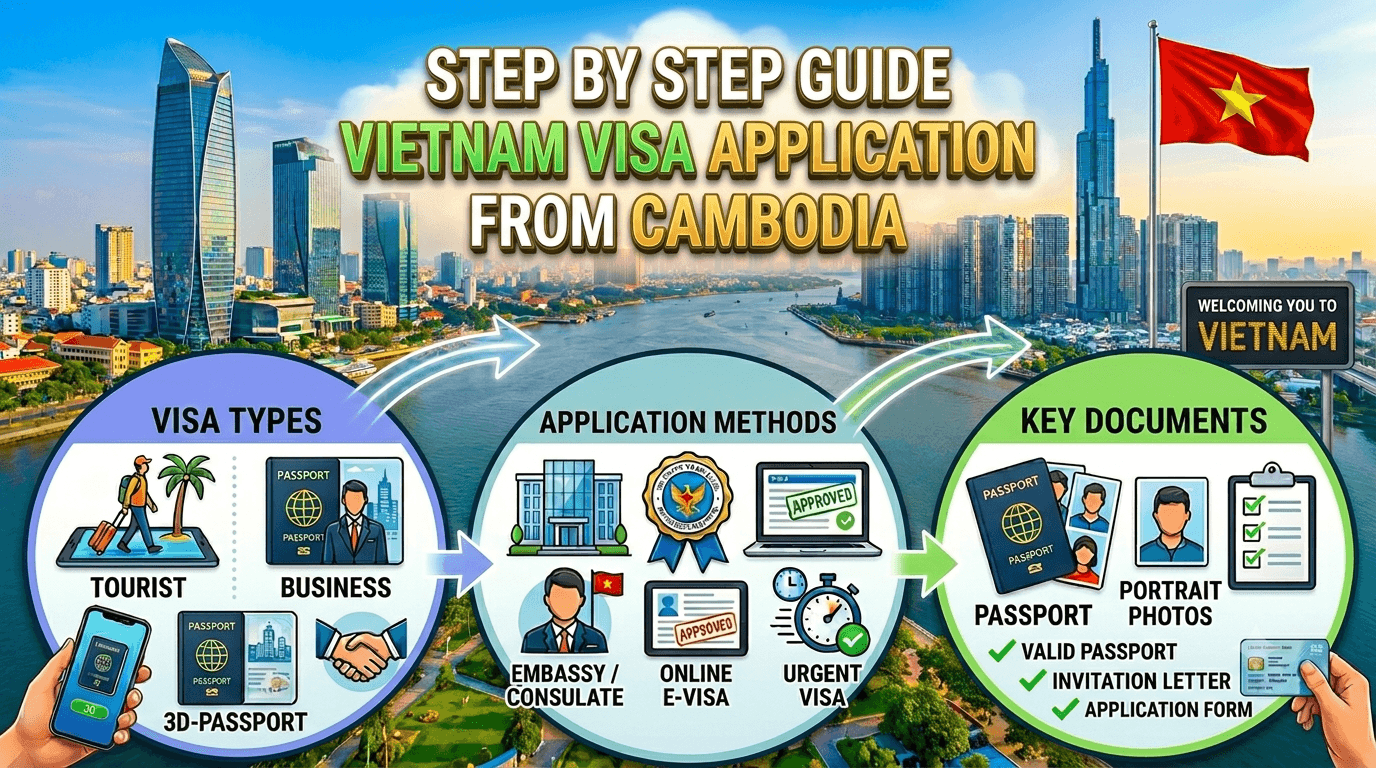
Vietnam offers several types of visas, each serving different purposes. The most common ones include:
Tourist Visa A tourist visa is designed for individuals planning to visit Vietnam for leisure or sightseeing purposes. This visa allows you to stay in the country for a specified timeframe, typically ranging from one month to three months.
Business Visa If you're traveling to Vietnam for work-related activities, you'll need a business visa. This type of visa can be issued for a single entry or multiple entries, depending on your needs. You might also require an invitation letter from a Vietnamese business partner.
Transit Visa For travelers who are passing through Vietnam to reach another destination, a transit visa can be applied for. It generally allows a short stay in the country, usually up to five days.
It's crucial to identify which visa you need based on the purpose of your visit before proceeding with your application.
Tourist Visa Application Process
The application process for a tourist visa is relatively straightforward. Whether you choose to apply at a Vietnamese embassy or online, here are the key steps you should follow to ensure a smooth application.
Firstly, you can apply for a tourist visa either at the Vietnamese embassy in Cambodia or through an online visa service known as e-visa. If you opt for the embassy route, you'll need to prepare the required documents, which typically include your passport, a recent photograph, and possibly a visa application form. Be prepared to wait while your application is processed.
Alternatively, applying for an e-visa is becoming increasingly popular due to its convenience. You can fill out the application form online, upload your documents, and make the payment electronically. Once approved, you will receive your e-visa via email, which you can print and present upon arrival in Vietnam.
Whichever option you choose, ensure that you double-check all information before submission to avoid any unnecessary delays in your application process.
Business Visa Application Process
For those needing a Vietnam visa from Cambodia for business purposes, understanding the process and required documents is crucial. This type of visa usually requires more documentation than a tourist visa due to the nature of business activities.
Begin by getting an invitation letter from your business partner in Vietnam. This letter outlines the purpose of your visit and confirms that you will be engaged in business-related activities. You will need to present this letter with your visa application, along with other documents such as a filled-out application form and your passport.
Once you've gathered all necessary documentation, you can submit your application either at the embassy or opt for an online service if available. After approval, make sure to carry this letter with you to present at the border checkpoint, as it clarifies the reasons for your visit to immigration officials.
It’s best to plan ahead and factor in possible processing times, as business visas can take longer to obtain depending on the circumstances surrounding your application.
Essential Documents Required
Understanding what documents you need is critical when applying for a Vietnam visa from Cambodia. The required documents can vary based on the visa type; therefore, knowing what you need ahead of time will save you time and effort during the application process.
A valid passport is a primary requirement for all visa applications. It should be valid for at least six months beyond your planned date of entry into Vietnam. In addition to your passport, you will likely need recent passport-sized photographs to satisfy application requirements. These photos usually must be in color and adhere to specific size guidelines.
Furthermore, depending on the visa type you are applying for (tourist, business, or transit), additional documents may be needed. For example, a tourist visa typically requires an application form and proof of travel plans, such as hotel reservations and flight itineraries. In contrast, a business visa often demands an invitation letter from a Vietnamese company and details regarding your business activities.
To ensure a smooth application process, it is advisable to double-check the specific requirements on the official Vietnamese embassy website or through a reliable visa service provider.
Application Submission Methods
When it comes to submitting your Vietnam visa application from Cambodia, you have several options at your disposal. Each method offers its own advantages and potential drawbacks, so it's important to choose what suits your needs and timeline best.
One of the most traditional ways to apply for a visa is by visiting the Vietnamese embassy or consulate in Cambodia. This face-to-face interaction can often clarify any questions you might have while ensuring that all documents are submitted correctly. The staff can guide you through the process and offer insights on any updated requirements or potential delays. One downside, however, can be the waiting time involved, as you may need to return to collect your visa once it's processed.
On the other hand, with the advent of technology, applying online for a Vietnam visa has become a popular alternative. This method allows you to complete the process from the comfort of your home or through your smartphone. Various online platforms provide e-visa services, giving you access to a faster and often more convenient application process. The approval occurs electronically, and once your e-visa is granted, you can simply print it and present it upon arriving in Vietnam. However, ensuring that you use a reputable and secure service is crucial to avoid scams or misinformation.
In any case, regardless of the submission method you choose, meticulous preparation is the key. Double-check your application, ensure all required documents are ready, and stay updated on the latest visa policies to guarantee a hassle-free application experience.
Visa Processing Times
Processing times for Vietnam visas can vary based on numerous factors, including the type of visa, the method of application, and the current demand for visas at the time of your application. Understanding these factors in advance can help you plan your trip effectively.
When applying for a tourist visa through an embassy, the processing time typically ranges from a few days to a week. This timeframe depends on how busy the embassy is and the completeness of your application. To mitigate waiting times, ensure that all documents are correctly filled out and submitted to avoid any back-and-forth with visa officials.
On the flip side, if you choose to apply for an e-visa online, the approval process could be quicker, often completed within three business days. However, unforeseen circumstances such as technical issues or system upgrades could cause delays. Therefore, it's wise to apply well in advance of your travel plans to factor in any potential holdups.
Regardless of how you submit your application, keeping a close eye on your application status is essential. Most online services and embassies provide a way to check your application's progress, allowing you to manage expectations regarding your visa approval timeline.
Arrival in Vietnam
Once you have successfully obtained your Vietnam visa from Cambodia, the next step is navigating your arrival in Vietnam. Understanding the immigration process and what to expect upon entering the country will help ease your transition.
When you arrive at the airport in Vietnam, be prepared to present your visa along with your passport to the immigration officers. It’s important that your passport is in good standing and that your visa is printed out and readily available. Depending on your visa type, you may also need to fill out a small immigration form provided at the airport, which asks for basic details about your stay in Vietnam.
Expect queues at the immigration checkpoint, especially during peak travel seasons. Patience is key here, as the wait time can vary significantly. During your wait, take the opportunity to observe the vibrant atmosphere of the airport and the influx of travelers from all corners of the globe. It serves as a perfect prelude to the adventures that lie ahead.
Additionally, make sure you familiarize yourself with the customs regulations in Vietnam. Declaring items such as foreign currency exceeding a certain amount, electronic devices, or special food products may be necessary. Understanding these regulations will further enhance a smooth entry into this exciting destination.
Getting to Your Accommodation
After successfully navigating immigration, the next phase involves getting to your accommodation. Vietnam boasts a range of transportation options; understanding these can help make your arrival seamless.
One popular option is to book an airport transfer in advance. Many hotels and resorts offer shuttle services that meet guests at the airport, giving you peace of mind and a direct route to your accommodation. This option can also eliminate the confusion that comes with navigating local transport as a newcomer.
If you prefer to travel independently, taxis and ride-sharing services are readily available outside the airport. It's important to choose reputable taxi companies or use ride-hailing apps such as Grab to ensure fair pricing and security. Agreeing on the fare in advance for taxis is advisable to avoid misunderstandings.
For those on a budget, buses operate between major airports and city centers. While this method can be cheaper, it might require you to carry your luggage over longer distances or wait for other passengers. Therefore, it’s a good compromise between cost and convenience, depending on how much luggage you have and your willingness to navigate a new environment.
Navigating Local Culture and Customs
As you settle into your arrival in Vietnam, an appreciation of the local culture and customs will significantly enhance your experience. Understanding what is considered respectful or rude can deepen your interactions with locals and enrich your overall journey.
Vietnamese culture is known for its strong sense of familial bonds, respect for elders, and traditional values. Greetings are often accompanied by a slight bow or nod, and using "thưa" for respectful address is appreciated. Engaging in polite conversation and expressing gratitude is a big part of everyday interactions, whether while ordering food or asking for directions.
Furthermore, dressing modestly when visiting temples or religious sites is crucial as a sign of respect. Women should wear skirts or dresses that cover the knees, while men are also encouraged to avoid shorts. Observing these customs will not only be respectful but also endear you to locals, enriching your travel experience.
Lastly, embracing the local cuisine is an essential part of any Vietnamese experience. From Pho to Banh Mi, Vietnamese dishes are famous for their flavors and freshness. Sampling street food is also a popular aspect of the food culture, but be mindful of hygiene and food preparation standards to ensure a healthy culinary adventure in Vietnam.
Conclusion
Navigating the process of obtaining a Vietnam visa from Cambodia is a journey in itself, yet it opens the doors to exploring an enchanting country rich in history, culture, and stunning landscapes. Understanding the various visa types, necessary documentation, application methods, and what to expect upon arrival will ensure a smooth and enjoyable experience. As you immerse yourself in Vietnam's vibrant culture and delicious cuisine, you will carry with you unforgettable memories and newfound knowledge that will make the application process worth it for every traveler.
- Categories:
- Blog

STANLEY HO
Over the past 23 years in the travel service industry, the growth and success of TRANSOCEAN have stemmed not only from the dedication of our well-trained, enthusiastic, and customer-oriented staff, but also from the exceptional leadership of our Founder and CEO, Mr. STANLEY HO. With more than 20 years of experience in the travel and tourism sector, Mr. STANLEY HO possesses profound knowledge of the market, customer behavior, and modern travel trends. His strategic vision has guided the company toward sustainable growth while maintaining a strong commitment to service quality.