
Complete Guide to Vietnam Visa for US Citizens
Latest update: Jun 24th, 2026
Table of Contents
Vietnam Visa For Us Citizens is a topic of great importance for travelers planning a trip to this beautiful Southeast Asian nation. With its stunning landscapes, rich history, and vibrant culture, Vietnam has become an increasingly popular destination for American tourists. However, navigating the visa process can be daunting. This guide aims to make the journey simpler and provides essential information regarding obtaining a Vietnam visa for US citizens.
Types of Vietnam Visas for US Citizens
Understanding the various types of visas available is crucial for US citizens considering a trip to Vietnam. The type of visa you need will depend on the length and purpose of your stay in the country. In this section, we will delve into the different visa categories, focusing on their unique characteristics and requirements.
Tourist Visa
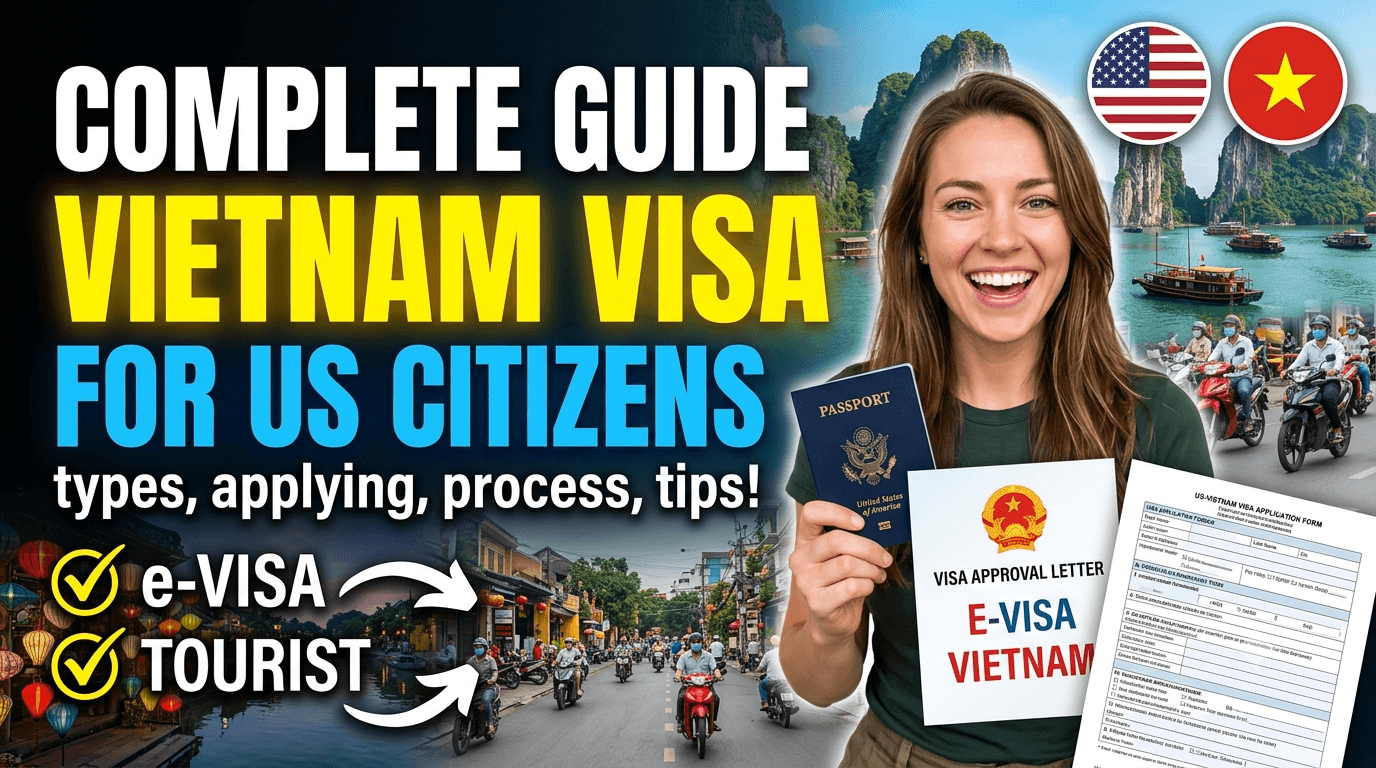
The Tourist Visa is one of the most common options for US travelers. It allows for short visits, and it is ideal for those looking to explore Vietnam's attractions.
Tourist Visas generally come in two varieties: single-entry and multiple-entry. A single-entry visa permits entry into Vietnam for up to 30 days, while a multiple-entry visa is valid for a longer duration, often up to 90 days, allowing you to exit and re-enter the country multiple times.
To apply for a Tourist Visa, US citizens usually need to provide their passport, a recent passport-sized photo, and a completed visa application form. In addition, you'll need to present proof of accommodation and a travel itinerary. It's worth noting that the Tourist Visa can often be processed quickly, making it an attractive option for spontaneous travelers.
Business Visa
For US citizens with business interests in Vietnam, the Business Visa has become an essential tool for facilitating professional endeavors. This visa accommodates various business-related activities, including attending meetings, conferences, and establishing business partnerships.
The Business Visa is typically issued for a longer duration than the Tourist Visa, with some options allowing stays of up to 12 months. Applicants will need to provide an invitation letter from a Vietnamese company, as well as documentation related to their business, such as a corporate registration. The requirements for applying may vary depending on the specific type of business visa being sought, and getting expert advice is often recommended.
Acquiring a Business Visa can be a relatively straightforward process, provided that all necessary documents are in order. This visa not only serves as a gateway for professional opportunities in Vietnam but also allows for a richer understanding of the nation's economy and culture.
E-Visa
Vietnam's e-Visa program is progressive and has simplified the visa process for many international travelers, including US citizens. This electronic visa is valid for a single entry and allows stays of up to 30 days.
The e-Visa can be applied for online, making it incredibly convenient for those who prefer not to visit an embassy or consulate in person. By providing a digital copy of your passport, a photo, and other required details, applicants can complete the process from the comfort of their home. The approval process typically takes around three business days.
The e-Visa stands out due to its flexibility and ease of use. However, it’s essential to ensure that your entry point into Vietnam is listed among the designated international airports and seaports, as not all entry points accept e-Visas.
Applying for a Vietnam Visa as a US Citizen
Applying for a Vietnam Visa for US citizens may seem overwhelming initially, but understanding the requirements and steps involved can ease this process. This section outlines the application process, including necessary documentation and tips for a successful application.
Requirements for Applying
To apply for a Vietnam Visa, there are several key documents that US citizens must gather and submit as part of their application. Primarily, a valid passport is essential. It should have at least six months of validity remaining beyond your intended stay in Vietnam.
In addition to the passport, applicants will also require recent passport-sized photographs. The images must meet specific guidelines such as being in color and taken within the last six months, with a plain background.
Depending on the type of visa being applied for—be it Tourist, Business, or e-Visa—additional documentation will be necessary. For instance, if applying for a Business Visa, a letter of invitation from a Vietnamese company is critical, while Tourist Visa applicants must provide proof of accommodation and travel plans. These document requirements can be met by ensuring all details are accurate and complete before submission.
Steps to Apply
Once all necessary documents are gathered, the steps to apply for a Vietnam Visa can begin. The process generally starts with completing a visa application form, which can be done online or through a paper application, depending on the type of visa.
For the e-Visa, applicants simply navigate to the official e-Visa portal, fill out the form, and upload required documents. For the traditional Tourist or Business Visa, one may need to attend a Vietnamese embassy or consulate to submit the application personally. Be prepared to pay the visa fee at this point, which varies depending on the type of visa and duration of stay.
After the application is submitted, the processing time usually ranges from three to five working days for the e-Visa and up to a week for traditional visas. During this waiting period, it helps to keep track of any communications from the embassy or consulate in case additional information is requested.
Tips for a Smooth Application Process
To ensure a smooth application process, US citizens should adhere to a few practical tips. Firstly, it is crucial to double-check that all information provided in the application form is accurate and matches the details in your passport, as discrepancies can lead to delays or rejections.
Planning ahead is also advisable. Start the application process well before your planned departure to account for any unexpected complications. There may be instances of heightened visa processing times during peak travel seasons, so allowing a buffer time for processing can ease your travel plans.
Lastly, consider seeking assistance from visa service agencies that specialize in Vietnam visas. If you're unsure about the requirements or the process, having an expert handle your application can simplify things significantly. Overall, understanding the nuances of applying for a Vietnam Visa will help ensure you are prepared for your exciting journey.
Entry and Exit Regulations for Vietnam
Entering Vietnam requires knowledge about the regulations that govern arrival and departure. This section covers important entry and exit procedures for US citizens holding a Vietnam Visa.
Entry Procedures
Once you have successfully obtained a Vietnam Visa, it’s time to prepare for your arrival. Upon landing, US citizens should ensure they comply with customs and immigration regulations. Present your passport, visa, and any additional required documentation to the immigration officer.
Part of the entry procedure involves filling out a customs declaration form, which may ask about items being brought into the country. Familiarize yourself with the guidelines on prohibited items, such as certain types of food, plants, and animal products, to avoid complications at customs.
Another vital aspect of entry procedures is the necessity of a valid health certificate, especially in light of recent global health challenges. Travelers may be subject to health screenings, and it's advantageous to stay informed about current health regulations, which can change frequently.
Money and Currency Regulations
A major consideration for US citizens entering Vietnam is understanding the currency regulations. The official currency of Vietnam is the Vietnamese Dong (VND). It is wise to arrive equipped with local currency, as many places may not accept credit or debit cards.
US citizens can exchange currency at banks, authorized exchange booths, or hotels. Ensure that you hold onto your exchange receipts, as you might require them when exchanging back to USD upon departure. It is also worth noting that carrying large sums of cash may raise questions at customs; therefore, it's advisable to only bring what you anticipate needing for your stay.
Additionally, be aware of financial regulations regarding the amount of cash you can carry when entering or exiting Vietnam. Understanding these regulations will not only help ensure a hassle-free entry experience but also support a seamless financial experience while traveling through the country.
Exit Procedures
When it's time to leave Vietnam, US citizens must adhere to exit regulations to ensure a smooth departure. Much like entry, travelers need to present their passport and visa upon check-in at the airport. Additionally, completing an exit customs declaration may be required.
Travelers should also prepare for potential exit fees, which could vary based on airline and airport policies. Familiarizing yourself with the airline's specific requirements and terminal details can aid in expediting the process.
A crucial point to consider is that your visa must not be expired on the day of your exit; otherwise, you may encounter legal repercussions or complications with immigration. Therefore, keeping track of your visa's validity and ensuring it covers your intended exit date will prevent unnecessary stress before your flight home.
Cultural Considerations and Travel Tips in Vietnam
Traveling to Vietnam is not just about adhering to visa regulations; it's about embracing the rich culture and traditions of the country. This section highlights essential cultural considerations and practical travel tips for US citizens visiting Vietnam.
Cultural Norms and Etiquette
Understanding local customs and cultural norms is vital for fostering respect and building positive interactions with Vietnamese people. The Vietnamese culture is heavily influenced by respect for family, community, and tradition, particularly Confucian values.
The importance of greeting customs cannot be underscored enough; a polite greeting is often the first step in cultivating goodwill. When meeting someone, a subtle nod and a smile go a long way. It’s customary to use both hands when giving or receiving something as a sign of respect.
Dining etiquette is another critical aspect of Vietnamese culture. When invited to someone's home for a meal, it is polite to bring a small gift, such as fruit or pastries, which reflects gratitude for their hospitality. During meals, you’ll see that communal dining often takes place, with dishes shared among guests. It’s customary to wait for the oldest or most distinguished guest to start eating before others dig in.
Practical Travel Tips
While experiencing Vietnam, having practical travel tips at hand can enhance your adventure. Firstly, always carry some cash, as many smaller vendors and rural areas may not accept credit cards. Having Vietnamese Dong on hand can make everyday transactions easier and more convenient.
Language can also be a barrier, but learning a few basic phrases in Vietnamese will be welcomed by locals. Simple greetings or expressions of gratitude can create a more engaging environment and showcase your appreciation for their culture.
Transportation in Vietnam can be an adventure in itself. While larger cities boast taxis and ride-hailing services, navigating the vibrant streets can be daunting. Using the local motorcycle taxis, known as Grab, can offer a fun way to explore the city while allowing you to engage more closely with local life. Always prioritize safety and use reputable services whether traveling by bike, bus, or car.
Exploring Vietnam’s Regions
Vietnam is home to diverse landscapes and cultures spanning its regions, from the bustling streets of Hanoi in the north to the lush Mekong Delta in the south. Engaging with the variety of experiences available is essential to truly experience the country.
In the north, discover the breathtaking scenery of Ha Long Bay, with its emerald waters and striking limestone pillars. Engaging with local fishing communities and learning about their traditional practices can provide valuable insights into Vietnam's way of life.
Traveling to central Vietnam, particularly Da Nang and Hoi An, opens the door to cultural heritage, culinary delights, and fine beaches. These areas are rich with history, offering chances to explore ancient cities and savor local dishes, such as cao lau and banh mi.
Finally, southern Vietnam, with its vibrant cities and unique lifestyle, provides a contrasting experience. Immerse yourself in the bustling chaos of Ho Chi Minh City or take a serene boat ride in the Mekong Delta. Engaging with locals and participating in traditional festivals can enrich your understanding of Vietnam's heritage.
Conclusion
In summary, navigating the complexities of obtaining a Vietnam Visa for US citizens is crucial for a smooth and enjoyable trip to this enchanting country. From understanding the various types of visas—Tourist, Business, and e-Visa—to mastering the application process and adhering to entry and exit regulations, being informed will prepare you for your travels. Additionally, respecting cultural considerations and employing practical travel tips will not only enhance your experience but also foster meaningful interactions throughout your journey in Vietnam. As you embark on this adventure, embrace the richness of Vietnamese culture and the unique experiences that await you.
- Categories:
- Blog

STANLEY HO
Over the past 23 years in the travel service industry, the growth and success of TRANSOCEAN have stemmed not only from the dedication of our well-trained, enthusiastic, and customer-oriented staff, but also from the exceptional leadership of our Founder and CEO, Mr. STANLEY HO. With more than 20 years of experience in the travel and tourism sector, Mr. STANLEY HO possesses profound knowledge of the market, customer behavior, and modern travel trends. His strategic vision has guided the company toward sustainable growth while maintaining a strong commitment to service quality.