
How To Get Vietnam Visa From Trinidad And Tobago
Latest update: Jun 24th, 2026
Table of Contents
When you think about travel opportunities, Vietnam might not be the first destination that comes to mind for someone from Trinidad and Tobago. However, with its stunning landscapes, rich cultural heritage, and warm-hearted people, Vietnam is becoming increasingly popular among international travelers. If you find yourself captivated by the idea of exploring this beautiful Southeast Asian country, you’ll need to navigate the visa application process. This article will provide you with comprehensive information on how to get Vietnam visa from Trinidad and Tobago.
Understanding the Vietnam Visa Requirements
Before embarking on your journey to Vietnam from Trinidad and Tobago, it is crucial to comprehend the visa requirements and the various options available. Vietnam has specific regulations in place concerning entry, and understanding these requirements will ensure a smoother experience.
Types of Vietnam Visas
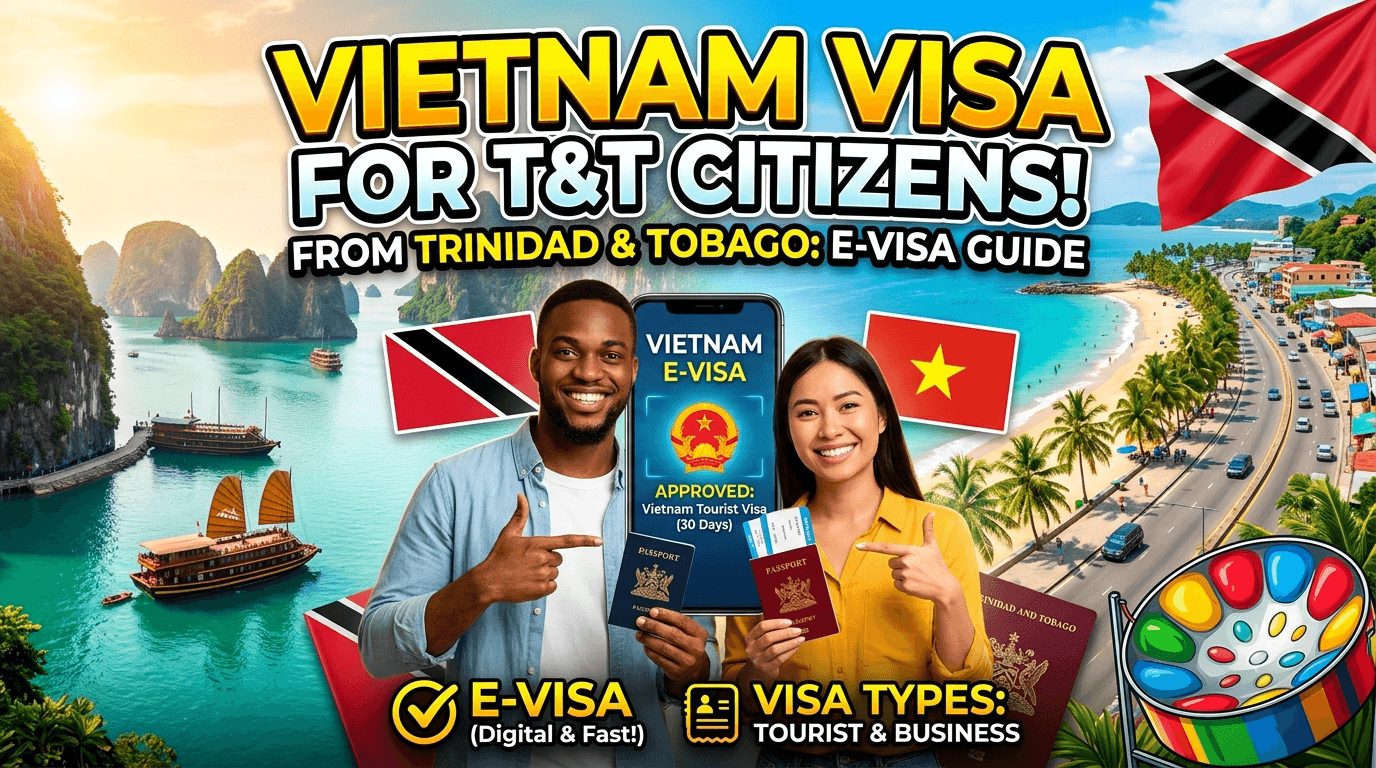
Vietnam offers different types of visas based on the purpose of your visit. As a traveler from Trinidad and Tobago, your visa options may include the tourist visa, business visa, and e-visa.
The tourist visa is the most common option for travelers visiting Vietnam for leisure purposes. It typically allows stays of 30 days or less and can sometimes be extended, but this is dependent on the visa type you apply for. Business visas are tailored for those engaging in work-related activities such as meetings, conferences, or other professional endeavors. The e-visa is an electronic visa that simplifies the application process for short stays, making it a convenient option for many travelers.
Ultimately, selecting the right type of visa depends on your intentions for visiting Vietnam, so it's important to review your travel plans carefully.
Visa Application Process
Navigating the visa application process can be daunting, especially for first-time travelers. When applying for a visa to Vietnam from Trinidad and Tobago, you generally have two primary methods: applying through the Vietnamese embassy or utilizing the online e-visa system.
If you prefer a traditional approach, you can apply directly at the Vietnamese embassy in your region. This method often includes submitting the appropriate documentation, filling out the visa application form, and paying a consular fee. On the other hand, the e-visa system provides a more streamlined process, allowing you to complete your application online and receive your visa electronically.
Regardless of the route you choose, it's essential to allow sufficient time for processing, as delays may occur.
Documentation Needed for Visa Application
The documentation required to obtain a Vietnam visa can differ depending on the type of visa you are applying for. However, some common documents are generally required across the board.
Travelers typically need to submit a passport with at least six months validity beyond their intended arrival date in Vietnam. Additionally, a completed visa application form, which can usually be found on the embassy website or through the e-visa portal, is mandatory. Passport-sized photos and proof of travel plans—such as flight itineraries and hotel reservations—are also common requirements.
Having the correct documentation is vital, as any missing information can result in delays or even visa denial.
Applying for a Vietnam Visa from Trinidad and Tobago
Once you have a solid understanding of the requirements and necessary documentation, it’s time to dive deeper into the actual application process for a Vietnam visa from Trinidad and Tobago.
The Traditional Embassy Route
Travelers who opt for the traditional embassy route may find that the process allows for deeper communication with embassy staff. This can be beneficial for those with specific questions or unusual travel scenarios.
Candidates interested in applying at the embassy must locate the nearest Vietnamese consulate or embassy to submit their applications. If you are located outside Trinidad and Tobago, check for internationally recognized embassies. The consular staff can provide valuable information regarding the correct application procedure, any fees involved, and what to expect during the processing period.
When you visit the embassy, ensure that you bring all required documents. Being prepared will save you time and prevent unnecessary complications. The embassy staff generally provide a receipt for your application, which should be kept safe until your visa is ready for collection.
Utilizing the e-Visa System
For those who prefer a digital approach, applying for an e-visa is an excellent option. The online system makes it easier than ever to apply for a Vietnam visa, accommodating travelers looking for convenience and expediency.
To begin, visit the official Vietnamese government e-visa website. Follow the instructions to complete your application, entering personal details, travel dates, and intended locations within Vietnam. Typically, the e-visa application requires you to upload digital copies of your passport and additional documentation.
One often-overlooked advantage of the e-visa system is the reduced processing time. Many applicants find that they receive their visas within a few business days, allowing for adequate planning and flexibility in scheduling their travels.
Visa Fees and Processing Times
Visa fees for Vietnam can vary based on the visa type, processing speed, and method of application. Although the prices may change, a good rule of thumb is to budget for around 25 to 50 US dollars for the e-visa process and a bit more for traditional embassy applications, factoring in any service fees or additional charges.
Processing times can also differ, generally taking anywhere from three to five business days for e-visas, while applications made through the embassy may take longer. It's wise to apply for your visa well in advance of your planned travel dates to ensure that you have adequate time to receive your visa and make necessary travel arrangements.
Exploring Vietnam with Your Visa
Congratulations! You've successfully obtained your Vietnam visa from Trinidad and Tobago. Now comes the most exciting part—exploring this beautiful country!
Planning Your Itinerary
With your visa in hand, it’s important to begin planning an itinerary that encompasses both iconic landmarks and off-the-beaten-path explorations. Vietnam is vast, each region offering its unique charm and allure.
Start with the north, where you can uncover the vibrant city of Hanoi, explore the breathtaking landscapes of Halong Bay, and visit traditional towns like Sapa. These experiences provide a fascinating interplay between nature and culture, transporting you back in time while still enjoying modern amenities.
As you venture southward, don't miss the bustling streets of Ho Chi Minh City, where history meets contemporary vibrance. Enjoy a day trip to the Cu Chi Tunnels or relax on the sandy shores of Mui Ne. The diversity in experiences available across Vietnam allows for an enthralling adventure that will create lifelong memories.
Cultural Nuances and Etiquette
Traveling to Vietnam also means immersing yourself in a different culture, which requires being mindful of local etiquette and customs. Understanding cultural nuances will greatly enhance your travel experience and build respect with the locals.
One crucial aspect is the significance of greetings. In Vietnam, a nod or slight bow of the head can be a sign of respect, especially when meeting the elderly. When visiting temples or pagodas, it’s essential to dress modestly and observe local customs, such as removing your shoes before entering certain sacred spaces.
Additionally, when dining with locals, it’s common to share food and drinks, demonstrating closeness and hospitality. Familiarizing yourself with these customs can offer insight into the local way of life, enriching your journey significantly.
Embracing Culinary Adventures
One cannot discuss Vietnam without mentioning its spectacular cuisine. The country’s food reflects its cultural diversity and storied history, offering an array of flavors that are sure to ignite your taste buds.
From fragrant pho to delightful banh mi, each dish tells a story. Be sure to explore street food stalls, where you can sample authentic Vietnamese dishes prepared right before your eyes. Engaging with local chefs or home-cooked meals can provide a deeper understanding of the Vietnamese culinary heritage.
As you travel from region to region, you'll notice that local ingredients and culinary techniques transform the flavor profiles of similar dishes. This variation not only adds to the excitement of your culinary adventure but also highlights the geographical diversity that defines Vietnam.
Conclusion
Understanding how to get Vietnam visa from Trinidad and Tobago is a vital step in your travel journey to this captivating Southeast Asian destination. By familiarizing yourself with the visa types available, the application process—whether through the embassy or e-visa—and preparing the necessary documentation, you can ensure a hassle-free visa experience. Once you’ve received your visa, a world of breathtaking landscapes, rich culture, and delicious cuisine awaits you in Vietnam, making the journey to obtain your visa a worthwhile endeavor.
- Categories:
- Blog

STANLEY HO
Over the past 23 years in the travel service industry, the growth and success of TRANSOCEAN have stemmed not only from the dedication of our well-trained, enthusiastic, and customer-oriented staff, but also from the exceptional leadership of our Founder and CEO, Mr. STANLEY HO. With more than 20 years of experience in the travel and tourism sector, Mr. STANLEY HO possesses profound knowledge of the market, customer behavior, and modern travel trends. His strategic vision has guided the company toward sustainable growth while maintaining a strong commitment to service quality.