
Vietnam Visa Guide: How to Obtain Your Visa Quickly and Easily
Latest update: May 18th, 2026
Table of Contents
Navigating the process of securing your Vietnam visa can often seem daunting. However, understanding the steps involved can simplify the journey significantly. This Vietnam visa guide aims to demystify the procedure and equip you with the essential information you need to obtain your visa quickly and easily.
Understanding Vietnam Visa Types
Before diving into the application process, it’s crucial to understand the various types of Vietnam visa available. Each category caters to different purposes of travel, and being informed will help you choose the right one.
Tourist Visa
A tourist visa is often the most sought-after option for travelers headed to Vietnam. It is designed for individuals wishing to explore the country’s breathtaking landscapes, vibrant culture, and rich history.
Typically, the tourist visa allows for a stay of up to thirty days, and it can be extended in certain situations. It is important to note that the tourist visa is not intended for engaging in gainful employment or conducting business activities.
The application for a tourist visa can be made online or at a Vietnamese embassy. By applying online, applicants can save time and enjoy the convenience of having their visa processing handled electronically.
Business Visa
For those traveling to Vietnam for work-related purposes, a business visa is required. This type of visa is designed for foreign employees, investors, and individuals needing to conduct business while in the country.
There are various subcategories of business visas, depending on the nature of the work, including M1 and M2 visas, which cater to different lengths and purposes of business visits. The application for a business visa is typically more detailed than that of a tourist visa, as it requires more documentation, including invitations from sponsors or employers based in Vietnam.
Each applicant will need to specify the duration of stay, purpose, and any relevant details on the nature of their business activities. Proper document preparation is essential for a smooth application process.
Student Visa
For students wishing to pursue their education in Vietnam, a student visa is the appropriate option. This visa facilitates international students seeking to enroll in accredited institutions within Vietnam.
To successfully obtain a student visa, applicants must provide proof of acceptance from a recognized educational institution, along with other necessary documents such as financial capability and health insurance paperwork. Student visas typically have a longer duration compared to tourist visas, allowing students the opportunity to fully immerse themselves in their studies and the surrounding culture.
Maintaining valid student visa status is essential for international students, as overstaying can lead to penalties and complications for future travel.
Visa Application Process
Now that you have a clear understanding of the types of Vietnam visas available, it's time to delve into the intricate visa application process. Knowing the steps involved can significantly reduce stress and confusion as you prepare for your journey.
Online Visa Application
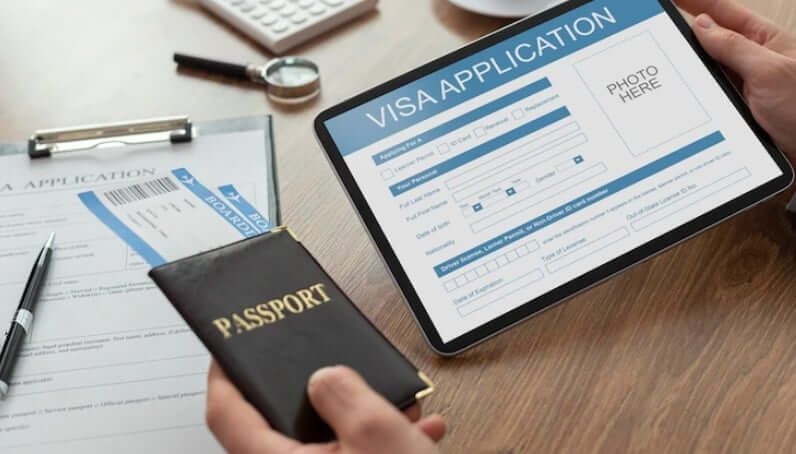
The online visa application system has made the process easier than ever before. Travelers can apply for a Vietnam visa through official government websites or accredited agencies.
First, you will need to fill out the online form, entering personal information such as your full name, nationality, contact details, and passport number. After submission, an approval letter will be issued via email after processing, generally taking about two working days.
Upon arrival at one of Vietnam's international airports, travelers must present their approval letter along with their passport and the required fees to obtain the visa sticker. This hassle-free option is gaining popularity due to its efficiency and ease of access.
In-Person Application at Embassy
If you prefer a more traditional route, you can opt to apply for your Vietnam visa in person at a Vietnamese embassy or consulate. This method is particularly beneficial for individuals who prefer direct interaction or have specific visa-related inquiries.
The first step in this process is to gather all required documents, which typically include your passport, photos, application form, and any other necessary paperwork. Once ready, you can visit your nearest Vietnamese diplomatic mission, submit your application, and pay the associated fees.
Processing times can vary but generally take longer than online applications, so it's advisable to plan ahead and apply well in advance of your travel date.
Visa on Arrival
The visa on arrival option is another convenient choice for travelers landing in Vietnam. This method is exclusively available for those arriving by air and is often favored by tourists.
To apply for a visa on arrival, one must first secure an approval letter through online application from an agency. Upon arrival at any international airport in Vietnam, travelers must present this letter, paying the visa fee in cash, and ultimately receiving the actual visa.
It's crucial to double-check the legitimacy of your approval letter prior to travel to avoid any suspension at customs. Understanding this process is vital for ensuring a smooth entry into the country.
Common Visa Issues and Solutions
While the process of obtaining a Vietnam visa is generally straightforward, travelers sometimes encounter issues. Knowing how to overcome common challenges can save both time and frustration.
Incorrect Information
One of the common pitfalls during the visa application process is entering incorrect personal information. A simple typo in your name or passport number can result in significant delays or, worse yet, visa denial.
To mitigate this risk, it’s important to double-check all details before submission. Take time to cross-reference names, dates, and passport details, ensuring everything is accurate and reflects your documents. A proactive approach can prevent potential snags later on.
If you do find your visa has been issued with erroneous information, contact the authority who issued the visa immediately for resolution.
Visa Denial
Visa denials can occur for various reasons, including incomplete applications and failing to meet specific requirements. For many travelers, this is often a frustrating experience.
If your visa is denied, don't be disheartened. You'll typically receive a notification stating the reason for denial. Use this feedback to rectify mistakes in your next application attempt. Providing thorough documentation, adhering to visa requirements, and ensuring that your application is fully completed can enhance your chances for approval.
Overstaying Your Visa
An issue that travelers often overlook is the consequence of overstaying their Vietnam visa, which can lead to fines, deportation and complications for future travels.
To avoid overstaying, keep track of the expiration date on your visa and consider applying for an extension if your plans change unexpectedly. Extensions can be filed through local immigration offices, where counseling can also be sought for any concerns you may have regarding extending your stay.
Being proactive and well-versed in the visa regulations of Vietnam will go a long way toward enjoying your journey without fear of legal repercussions.
Helpful Tips for a Smooth Visa Experience
When it comes down to it, several tips and tricks can ease your visa application experience. These insights have been derived from the experiences of travelers who have gone through the Vietnam visa journey.
Researching Thoroughly
Knowledge is power, especially concerning visa applications. Conduct thorough research on the type of visa you need, ensuring that you are aware of the eligibility criteria, necessary documents, and application processes.
Resources such as official Vietnamese government websites and reputable travel agencies can provide accurate and up-to-date information. It’s advisable to follow travel blogs and forums from previous travelers, as these can provide first-hand accounts that may highlight nuanced challenges or effective strategies.
Keeping Documents Organized
Keeping your documents organized cannot be emphasized enough. A well-organized approach will help ensure that nothing is overlooked, reducing application stress and preventing possible delays.
Create an application folder where you store all your essential documents, including application forms, passport copies, photos, and any supporting evidence needed. Being methodical in your documentation approach will not only streamline your application process but also enhance your overall experience.
Respect Vietnam’s Immigration Regulations
Lastly, understanding and respecting Vietnam’s immigration regulations is imperative. Ensuring compliance with local visa laws can save you from fine penalties, deportation, or future travel complications.
Stay updated on the specific visa regulations, avoid any engagements that might jeopardize your visa status, and respectfully adhere to the cultural norms as part of your travel experience in Vietnam.
By embracing these practices, you can transform your Vietnam visa experience from a daunting task into a smooth and memorable part of your travel plans.
Conclusion
Navigating the process to obtain a Vietnam visa may seem overwhelming at first, but with thorough knowledge and preparation, it can become a simple and efficient task. Understanding the various types of visas, the application processes, and common challenges will empower you during your travel preparations. By utilizing the tips provided, you can enhance your visa experience and focus on enjoying the remarkable beauty and culture that Vietnam has to offer.
- Categories:
- Blog

STANLEY HO
Over the past 23 years in the travel service industry, the growth and success of TRANSOCEAN have stemmed not only from the dedication of our well-trained, enthusiastic, and customer-oriented staff, but also from the exceptional leadership of our Founder and CEO, Mr. STANLEY HO. With more than 20 years of experience in the travel and tourism sector, Mr. STANLEY HO possesses profound knowledge of the market, customer behavior, and modern travel trends. His strategic vision has guided the company toward sustainable growth while maintaining a strong commitment to service quality.