
Navigating Vietnam Visa Requirements – A Comprehensive Guide
Latest update: Jul 2nd, 2026
Table of Contents
When planning a trip to the vibrant landscapes and rich culture of Vietnam, understanding Vietnam visa requirements is essential for a hassle-free experience. This article delves into the intricacies of obtaining and managing a Vietnam visa, offering insights that go beyond basic information to help travelers navigate potential pitfalls and make informed decisions.
Types of Vietnam Visas and Eligibility Criteria
Travelers exploring the enchanting beauty of Vietnam must first grasp the various Vietnam visa options available, as each serves different purposes and comes with specific eligibility rules. For instance, the tourist visa is ideal for leisure seekers wanting to wander through Hanoi’s bustling streets or cruise Halong Bay, typically allowing stays of up to 30 or 90 days. On the other hand, business visas cater to professionals attending meetings or conferences, requiring documentation like invitation letters from Vietnamese companies. Eligibility often hinges on factors such as nationality, with citizens from countries like the United States, United Kingdom, and Australia enjoying simplified processes, while others might face more scrutiny. Beyond these, there's the student visa for those pursuing education, which demands proof of enrollment in a recognized institution, and the work visa for employment, necessitating a job offer and sometimes a health check.
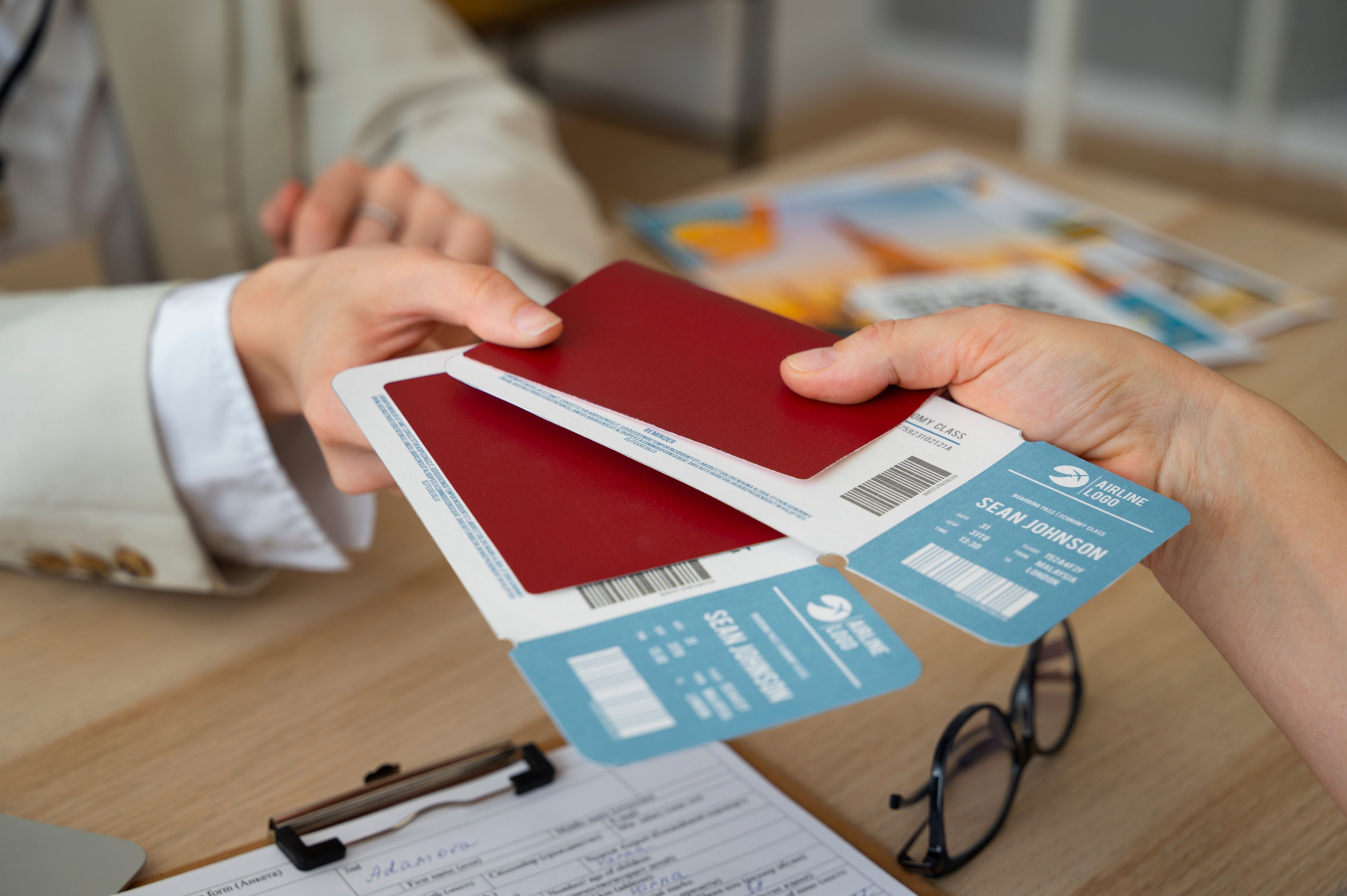
Understanding the nuances of Vietnam visa eligibility can significantly impact your travel plans, so it's crucial to consider additional criteria like the purpose of visit and duration. For example, applicants must provide a valid passport with at least six months' validity remaining, along with recent photos and proof of onward travel. Visa exemptions exist for citizens of certain nations, such as those from ASEAN countries for short stays, but even these have limitations based on entry points. Moreover, electronic visas, or e-visas, have become increasingly popular, allowing for online applications that streamline the process. To make this more engaging, think about how choosing the right visa type can enhance your journey—perhaps opting for a multiple-entry visa if you're planning to hop between Vietnam and neighboring countries like Laos or Cambodia. By delving into these details, travelers can avoid common errors, such as applying for the wrong category, which could lead to delays or denials.
The E-Visa Application Process: Step-by-Step Instructions
The e-visa for Vietnam visa applicants represents a modern, efficient pathway that has transformed how people access the country, especially for those averse to traditional paperwork. To begin, head to the official Vietnamese immigration website, where you'll create an account and fill out an online form with details like your personal information, travel itinerary, and passport data. This step is straightforward but requires accuracy; for instance, ensure your passport scan is clear and uploaded in the specified format, as blurry images can cause rejections. Once submitted, you'll pay a non-refundable fee via credit card, which varies by nationality and visa duration, and then wait for processing that typically takes three to five business days. During this period, it's wise to monitor your email for updates, as the e-visa is delivered electronically, allowing entry at designated airports or land borders.
Delving deeper into the Vietnam visa e-application process reveals tips for a smoother experience that many overlook, such as preparing supporting documents in advance to expedite verification. For example, if you're applying for a tourist e-visa, include a detailed travel plan outlining your accommodations and activities, which demonstrates genuine intent and boosts approval chances. Common pitfalls include incomplete forms or errors in dates, so double-check everything before submission. Furthermore, while the e-visa is convenient for single entries, understanding its limitations—such as restrictions on entry points—can help you plan alternative routes. This method not only saves time but also reduces environmental impact by minimizing paper use, making it an appealing choice for eco-conscious travelers eager to explore Vietnam's sustainable tourism initiatives.
Visa on Arrival: Considerations and Best Practices
Opting for a Vietnam visa on arrival offers unparalleled flexibility for spontaneous travelers, allowing you to obtain your visa directly at major entry points like Noi Bai International Airport in Hanoi. This option is particularly suitable for those from countries eligible for it, such as the US or EU nations, where you simply present a pre-approval letter, passport, and photos at the immigration counter. However, it's not without challenges; for instance, long queues during peak seasons can turn a smooth arrival into a stressful ordeal, so arriving early in the day is advisable. Additionally, ensure your passport has blank pages for stamps and that you've arranged for the approval letter through a licensed agent, as this is a crucial preliminary step often handled online.
When considering Vietnam visa on arrival, best practices extend to financial and logistical preparations that enhance the overall experience. Budget for the visa fee, which can fluctuate based on your nationality and stay length, and always carry cash in US dollars for on-the-spot payments, as some counters don't accept cards. To avoid complications, verify that your itinerary aligns with the visa's conditions, such as the maximum stay period, and be aware of extensions if needed. This approach is ideal for adventure seekers who might combine it with activities like trekking in Sapa or beach hopping in Nha Trang, but remember to respect local regulations to prevent any issues. By mastering these practices, travelers can turn potential hassles into seamless transitions, fully immersing themselves in Vietnam's dynamic culture.
Extending Your Vietnam Visa: Procedures and Timelines
Extending a Vietnam visa is a common necessity for those who fall in love with the country's landscapes and decide to prolong their stay, involving a process that requires timely action to avoid overstaying penalties. Typically, extensions can be applied for through local immigration offices in major cities like Ho Chi Minh City or Hanoi, where you'll submit your passport, current visa, and a completed application form. The timeline varies; for tourist visas, extensions might take three to seven working days, depending on the office's workload and your documentation. It's essential to apply at least two weeks before expiration, asdelays can occur, particularly if you're in a bustling area. An additional consideration is that extensions are often granted for shorter periods than initially expected, typically up to an additional 30 days, meaning that if a longer stay is desired, planning ahead is essential.
Moreover, understanding the reasons for needing an extension can provide insight into the local immigration landscape. For example, travelers engaged in longer-term projects or those attending ongoing courses will find a valid justification when applying. However, keep in mind the accompanying fees and necessary documentation required, such as flight bookings that justify the need for staying longer. By preparing adequately and having thorough knowledge of the policies, you can extend your Vietnam visa without unnecessary complications, allowing for a more enriching travel experience.
Essential Tips for a Smooth Vietnam Visa Experience
Navigating the Vietnam visa landscape often comes with its challenges, but several essential tips can help streamline the experience. One crucial piece of advice is to check official immigration channels for the latest updates on visa policies, as these can change frequently and affect your plans. For instance, the Vietnamese government may introduce new visa categories or alter processing times, so staying informed helps you avoid last-minute surprises. Additionally, consider connecting with fellow travelers or expats through online forums, as sharing insights and personal experiences can lead to discovering lesser-known tips that might benefit your application process.
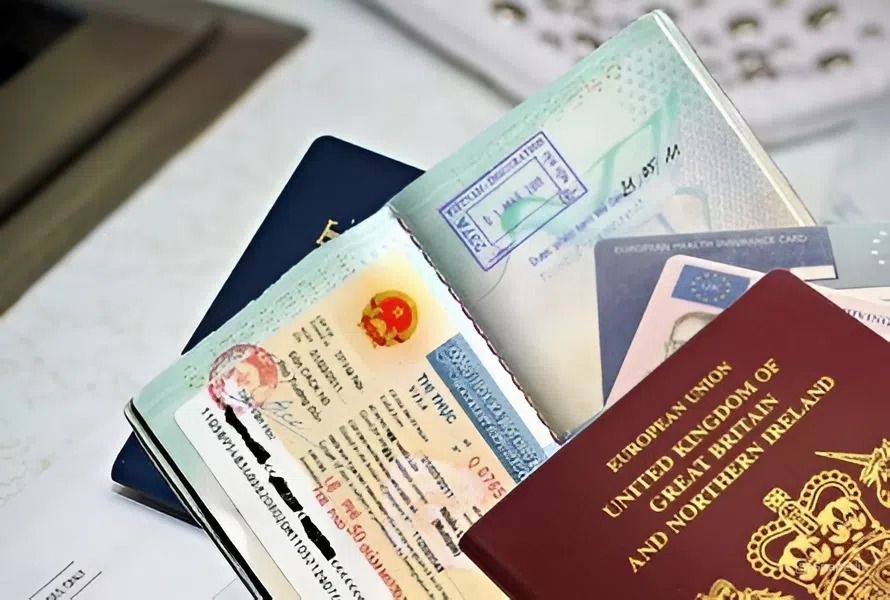
Another essential habit is to keep copies of your travel documents stored securely, both online and offline. This includes your visa approval letter for Visa on Arrival, passport pages, and any communication with immigration authorities. In the event of a lost passport or visa issues, having these copies allows you to address problems swiftly with supporting evidence. Last but not least, always prepare for contingencies—beginning your visa process early, allowing for extra time for processing or unforeseen bureaucratic glitches, ensures that your trip remains as enjoyable as possible. By adhering to these tips, you can navigate the complexities of obtaining a Vietnam visa with confidence and ease.
Conclusion
Navigating Vietnam visa requirements can be a detailed process, but with the right approach and keen awareness of various visa types, application processes, and extension options, travelers can significantly enhance their Vietnam experience. Understanding the eligibility criteria for different visa types ensures proper travel planning, while embracing modern solutions like e-visas and visa on arrival adds flexibility to the journey. By following best practices and essential tips for a smooth application process, visitors can immerse themselves fully in Vietnam’s vibrant culture without the stress of visa-related issues. Ultimately, a well-informed traveler is well-prepared to make the most of their adventures in this breathtaking country.
- Categories:
- Blog

STANLEY HO
Over the past 23 years in the travel service industry, the growth and success of TRANSOCEAN have stemmed not only from the dedication of our well-trained, enthusiastic, and customer-oriented staff, but also from the exceptional leadership of our Founder and CEO, Mr. STANLEY HO. With more than 20 years of experience in the travel and tourism sector, Mr. STANLEY HO possesses profound knowledge of the market, customer behavior, and modern travel trends. His strategic vision has guided the company toward sustainable growth while maintaining a strong commitment to service quality.